

A Century on Two Wheels: The Evolution of Motorcycling in Malta
- Jan 15
- 5 min read

Motorcycling in Malta is often perceived today as a modern response to congestion, lifestyle freedom, or leisure culture. Yet the roots of motorcycles on the island stretch back more than a century and are deeply intertwined with Malta’s colonial past, wartime experience, migration patterns, and changing social aspirations. Over the last hundred years, motorcycles in Malta have evolved from utilitarian military tools and working-class transport into cultural symbols, leisure machines, and, in some cases, objects of identity and heritage.
The Arrival of Motorcycles in Colonial Malta
Motorcycles appeared in Malta in the early decades of the twentieth century, during British colonial rule. As the British Empire modernised its military and administrative logistics, motorcycles became an efficient solution for dispatch riding, base transport, and patrol duties. British servicemen stationed in Malta during and between the World Wars brought with them machines from manufacturers such as BSA, Triumph, Norton, Ariel, and Royal Enfield. These bikes were practical, robust, and well suited to the island’s narrow roads and uneven surfaces.

By the 1910s and 1920s, motorcycles were no longer exclusive to military use. Civilian ownership began to grow slowly, largely among skilled workers, mechanics, and tradesmen who could maintain them. Compared to cars, motorcycles were cheaper, easier to import, and more practical in Malta’s compact geography. Early Maltese motorcyclists were often self-taught mechanics, modifying and repairing machines with limited access to spare parts.
War, British Influence, and Mechanical Familiarity
The two World Wars profoundly shaped Malta’s mechanical culture. During World War II in particular, Malta was saturated with Allied military hardware, including motorcycles used for communications, logistics, and internal transport. Maltese civilians frequently worked alongside British forces as mechanics, drivers, and support staff, gaining first-hand experience with British motorcycles.
This prolonged exposure created a lasting familiarity with British engineering philosophies: torque-focused engines, simple mechanical layouts, and field-repairability. After the wars, surplus motorcycles and parts found their way into civilian hands, either through official disposal or informal channels. For decades afterward, British bikes dominated the Maltese motorcycle landscape, long after they had begun to fade elsewhere in Europe.

Post-War Mobility and Social Change
In the 1950s and 1960s, motorcycles became firmly embedded in everyday Maltese life. For many families, a motorcycle was the first step into motorised transport. They were used for commuting, deliveries, and rural travel at a time when car ownership was still limited.
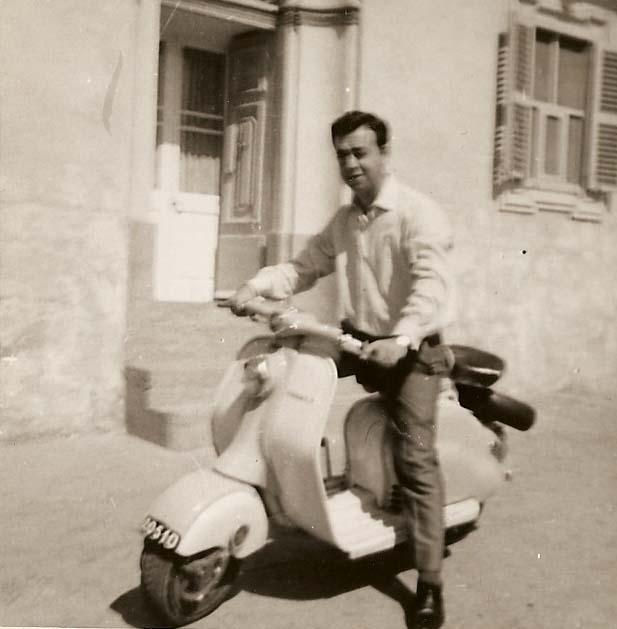
As Malta moved toward independence in 1964, the motorcycle symbolised a modest form of personal mobility and independence. During this period, Italian scooters such as Vespa and Lambretta also became common, particularly in urban areas, while Japanese manufacturers began appearing in the late 1960s and 1970s, offering improved reliability and performance.

Engine Size Restrictions and the “Big Bike” Question
For much of the twentieth century, Malta maintained a cautious attitude toward large-capacity motorcycles. This was influenced by several factors: limited road infrastructure, safety concerns, insurance risk, and the belief that large engines were unnecessary for short distances.
Licensing and insurance structures often discouraged ownership of high-capacity bikes, either through higher costs or graduated licence requirements. While not outright bans, these measures effectively limited the number of large motorcycles on the road. As a result, Malta developed a long-standing culture centred on small- to mid-capacity machines.
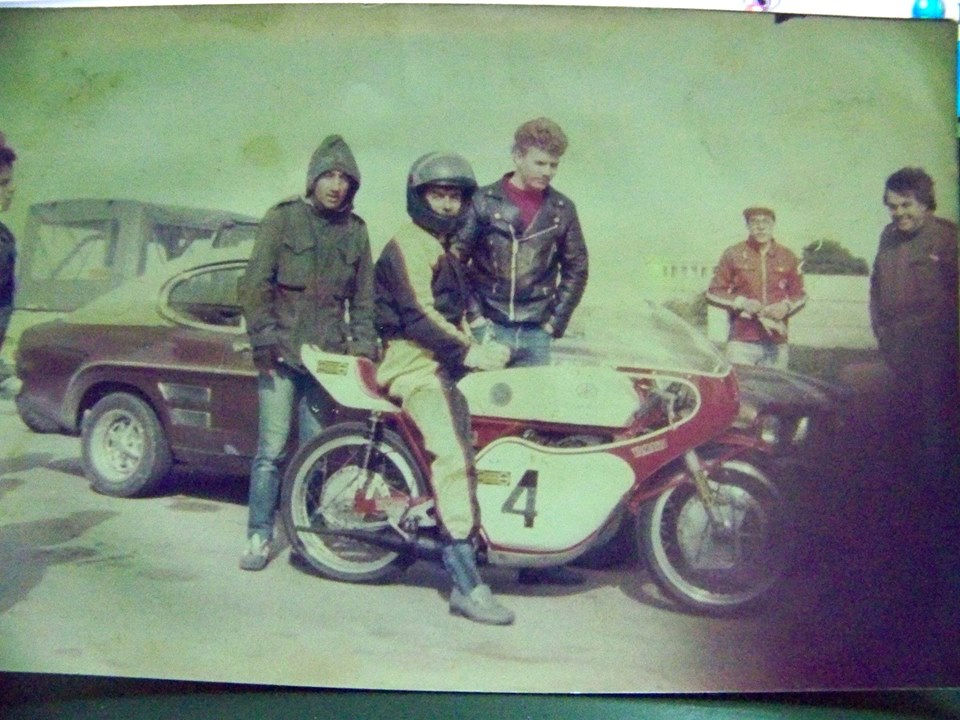
Over time, particularly from the late 1990s onward, Malta gradually aligned its motorcycle licensing framework with broader European standards. Structured licence categories, improved training, and better enforcement allowed experienced riders to legally access larger and more powerful motorcycles, opening the door to a new era of motorcycling on the island.
Helmet Laws and the Shift Toward Safety
In the early decades of Maltese motorcycling, helmets were uncommon. Riders often wore caps, goggles, or no protection at all. This mirrored global trends at the time, when safety legislation lagged behind technological advancement.

By the 1980s, influenced by European road safety reforms and British legal precedent, helmet use became compulsory in Malta. This marked a significant cultural shift. Initially resisted by some riders, helmet laws gradually became accepted as accident awareness increased. Over time, safety gear became more sophisticated, and helmet use is now universally regarded as essential rather than restrictive.
Migration, America, and the Arrival of Big American Motorcycles
One of the most distinctive influences on Malta’s modern motorcycle culture came not from Europe, but from across the Atlantic. Throughout the twentieth century, large numbers of Maltese emigrated to the United States, particularly after World War II. There, many encountered a motorcycle culture vastly different from Malta’s: wide roads, long distances, and large-capacity American motorcycles.
For Maltese emigrants, riding big American cruisers was often a formative experience. These bikes represented freedom, open space, and prosperity—concepts far removed from Malta’s dense urban reality. When some of these emigrants returned to Malta in the late twentieth and early twenty-first centuries, they brought those experiences back with them. In some cases, they physically shipped their motorcycles to the island; in others, they imported the culture, preferences, and aspirations associated with them.
This transatlantic influence played a major role in normalising large American motorcycles in Malta, both technically and socially.
Harley-Davidson in Malta: From Rarity to Presence
For much of the twentieth century, Harley-Davidson motorcycles were rare sights on Maltese roads. Their size, cost, and maintenance demands made them impractical in a small island environment. However, as incomes rose, infrastructure improved, and licensing restrictions softened, that began to change.
By the early 2000s, Harley-Davidsons began appearing more frequently, often owned by riders with overseas experience or strong personal connections to American motorcycle culture. Over time, they became part of Malta’s visual and acoustic landscape, particularly during weekend rides and social gatherings.

The exact number of Harley-Davidson motorcycles currently on the island is not clearly established, as official vehicle statistics do not provide brand-level breakdowns. Nevertheless, many within the local motorcycling community believe that Harley-Davidson ownership in Malta is unusually high when viewed against the country’s small population of circa half a million people. This has led to the perception that Malta may rank among the highest in Harley-Davidson ownership on a per-capita basis, although definitive comparisons remain difficult to verify.
Motorcycling in Contemporary Malta
In the present day, motorcycles in Malta serve multiple roles. They are practical tools for navigating congestion, lifestyle machines for leisure and touring, and heritage objects preserved by enthusiasts. The roads host everything from vintage British singles and Italian scooters to Japanese sport bikes and large American cruisers.

Despite challenges such as traffic density, road quality, and limited space, Malta’s motorcycle scene remains vibrant. Riders are increasingly conscious of safety, environmental impact, and mechanical preservation, while still valuing the freedom and identity that motorcycling offers.
The story of motorcycles in Malta is not simply a tale of machines, but of people: soldiers, workers, emigrants, returnees, and enthusiasts. Shaped by British colonial influence, wartime necessity, migration, and modern globalisation, Malta’s motorcycling culture is unique in both scale and character.
From early British dispatch bikes to modern American cruisers rumbling along coastal roads, motorcycles have mirrored Malta’s social and historical journey. On a small island with limited space, the motorcycle has endured—not merely as transport, but as a symbol of independence, connection, and continuity across generations.


Comments